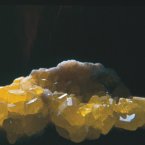
The Mineralogy Museum operates within the Mineralogy Department of The Biology and Geology Faculty and it was first thought out to be a place for detailed studies dedicated to Geology students and experts in the field. The educational collection of minerals and rocks opened in 2002. The museum currently contains over 16,500 exhibition pieces (approximately 12,500 minerals, over 3,700 tooled gems and over 200 meteorites), grouped into several thematic collections (based on systematic and geographic criteria). The most valuable amongst these are presented below.

The systematic minerals collection exemplifies over 700 distinct species of minerals from around the world (including their esthetic varieties, such as “mine flower” or decorative stones). It is the richest scientific systematic fund in Romania and it includes an important collection of native gold (450 samples), mostly from the Roşia Montană area.
The gem collection is the only systematic presentation of this kind in Romania, which puts forward the natural local potential of fine stones (from over 98 different locations), mainly represented by quartz and decorative rock varieties.

The gem collection (fine gemstones) reunites 250 copies of wrought minerals (diamond, emerald, aquamarine, ruby, sapphire, tourmaline, topaz, zirconium, turquoise, garnets, amethyst, citrine, chalcedony, noble opal, fire opal, etc.) in a 19th century cabinet.
The meteorites collection is the only one of this kind in Romania and it contains over 200 exhibition pieces from all around the world. The main attraction of this collection is represented by pieces from the Mocs meteorite that fell in 1882 within the range of the commune of Mociu, Cluj County. The biggest piece weighs 35.7 kg. The collection has been recently enriched with over 30 new pieces amongst which meteorites from the Sahara desert, tektites and a pseudo-meteorite (industrially manufactured), donated by collectors from within the country and from abroad.

The Mineralogy Museum is in charge of the preservation and the studies of the natural patrimony and the mineral and rock diversity, in collaboration with the members of the Mineralogy Department. Another important mission is that of educating, especially amongst the young generation. The museum enjoys over 500 visitors every year, out of which over 85% are pupils and students from Cluj-Napoca. In this sense, thematic guided visits and educational projects have been especially conceived, assorted by age (Seeking the treasure, The Quiz or Top 10), and they have proved to be a real success.
Guided tours can be organized for groups of minimum 6 people with programming in advance.
The museum may occasionally be closed for the public – generally in August and in other periods for shorter terms. To avoid any inconvenience, programming of visits in advance is recommended.

Entry fee:
Adults: 3 RON
Students, senior citizens, military personnel: 1,5 RON
Disabled: free
Babes-Bolyai University, Faculty of Biology and Geology students: free
Schedule
Tuesday – Friday from 11.00 to 14.00 Monday, Saturday, Sunday: closed
Text preluat de pe visitclujnapoca.ro